
Uganda sits on the equator, which means temperatures stay fairly consistent year-round — the real variable travelers need to plan around is rainfall, and how it affects trekking conditions, road access, and wildlife visibility.
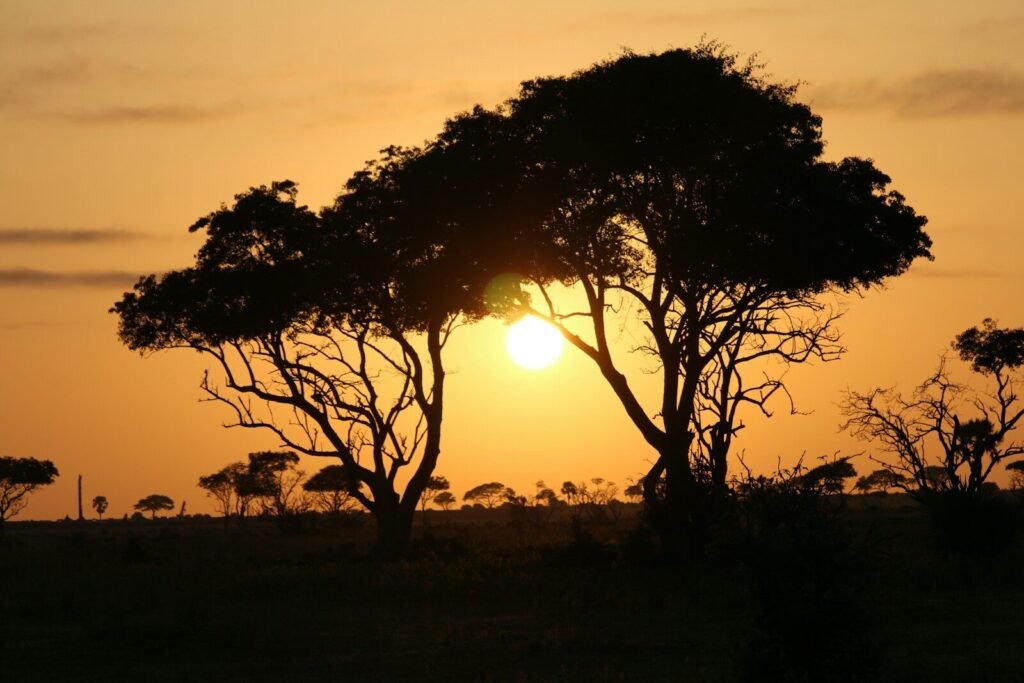
Dry Seasons (June–September and December–February) These are Uganda’s peak travel windows, and for good reason. Trails in Bwindi and Kibale are firmer and less slippery, making gorilla and chimpanzee trekking noticeably easier. Roads in remoter parks like Kidepo Valley are more reliably passable. Wildlife also tends to congregate more predictably around remaining water sources, making game drives more productive. The tradeoff is that this is also when park fees are highest and gorilla permits are hardest to book, so we recommend securing these at least three to six months in advance.
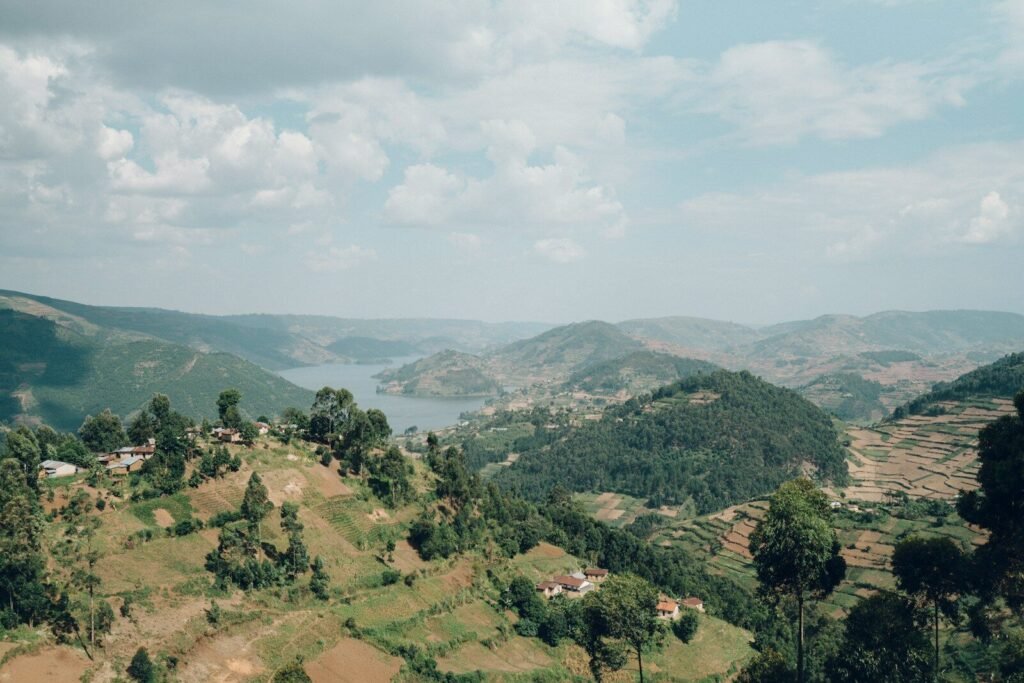
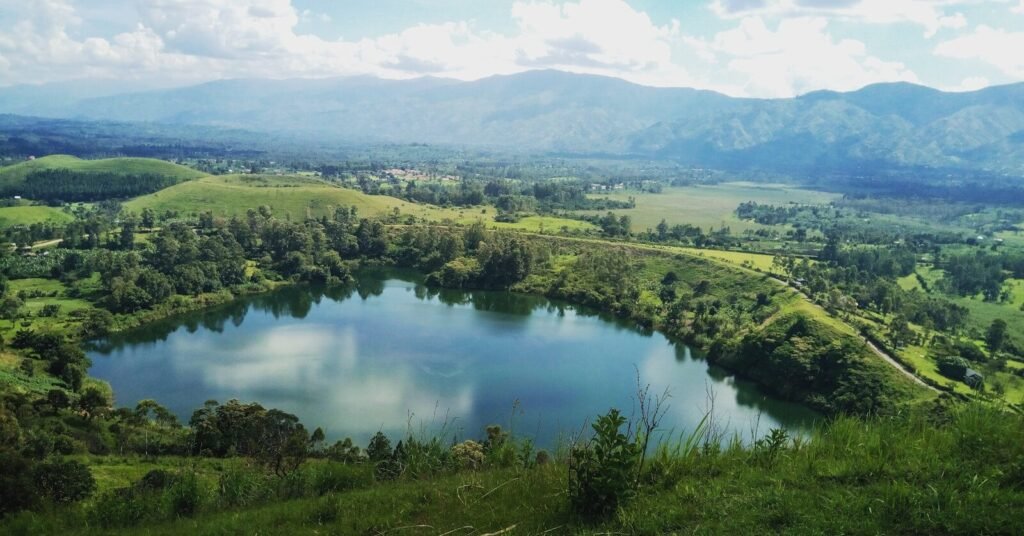
Wet Seasons (March–May and October–November) Rain here doesn’t usually mean day-long downpours — expect short, heavy showers followed by clear skies. This is a quieter, often overlooked season with several real advantages: lush scenery, dramatically fewer other tourists, lower accommodation rates, and excellent birdwatching as migratory species arrive. Boat safaris on the Kazinga Channel and Nile are unaffected by rain and remain excellent year-round, since water levels stay navigable and wildlife still gathers at the banks.
Our Take If gorilla trekking is your priority and you want the easiest possible trail conditions, aim for the dry season and book permits early. If you’re more focused on boat safaris, birdwatching, or simply want a quieter, more affordable trip, the shoulder wet seasons are genuinely underrated. Either way, Uganda rewards visitors in every month of the year — there’s no true “bad” time to come.